Your basket
Subtotal
£0.00
×

How many calories are there in a bottle of wine?

How to enjoy your wine and keep calorie intake under control? You just need to know which wine to drink! Check out our tips in the following article.

How many calories are there in a bottle of wine?

An average bottle of wine (750 ml) contains circa 635 cal. Most people are unlikely to consume a bottle of wine in a single go. That is why it is essential to know the calories per serving as well. A single glass of wine of 150ml contains circa 125 cal. The number of calories varies depending on the type of wine you drink.

Where do wine calories come from?

  • Alcohol:

Alcohol is the first component contributing to calories in wine. Each gram of alcohol equals to approximately 7 cal. Alcohol is measured by ‘alcohol by value’ (ABV) and is indicated as a % on the bottle. That means that wines with higher ABV % will have more calories.

  • Sugar:

Unsurprisingly sugar is the other main calorie component in wine. Each gram of sugar translates in 4 cal. With every serving of wine, you can expect to consume 4 g of sugar, or 16 cal.

Are there more calories in Red or White wine?

Red wine tends to have higher ABV hence is typically more caloric than white wine. A bottle of red will have circa 800 cal, whereas a bottle of white – around 550 cal.

Translating it into a ‘glass’ – this would mean 130 to 165 cal in a usual glass of red and 111 to 140 cal in a glass of white.

What about Sparkling wine?

Unfortunately, Sparkling wine is the ‘heaviest’ wine with only Dessert wine having more calories. A bottle of Sparkling wine contains circa 1000-1100 cal, and a single glass of sparkling wine like Prosecco circa 158 cal. The main reason is a higher level of sugar in Sparkling wines compared to still wines. This counts both for Prosecco and for Champagne that has sweet ‘liquor de tirage’ added at the end of the wine making process.

How to choose wine with fewer calories?

  • Check the ABV:

As explained above, ABV % significantly contributes to the calorific value of the wine. To drink wine with lower calorie amount, choose wine with lower level of ABV.

Being simpler with white wine that usually contains 12.5-13% ABV, this ‘rule’ is a bit trickier with red that often has 14% ABV.

To drink a lighter red, you can go for Pinot Noir, Bardolino, Barbera, Valpolicella or younger Primitivo, all of which contain around 13% ABV, like white wine.

  • Stick with white:

White wine is the ‘lightest’ of all wine types. If you keep to white, you are ‘doing your best’ to keep the diet. The following types of white wine typically have fewer calories, so you can even go further and stick with them: Pinot Grigio, Pinot Blanc, Riesling and Vermentino.

  • Avoid added sugar in Champagne:

If you fancy a glass of bubbles, try to choose the one that states ‘Dosaggiozero’ (‘zero added sugar’), or ‘Extra Brut’. This means that there has been no sugar added as part of wine making process or the wine is the ‘driest’. We recommend Franciacorta Dosaggiozero or Prosecco Superiore Millesimato Brut.

  • Consume moderately:

The last tip is, of course, to stick to the age-old dogma. It is all about the quantity. Manage your wine consumption and your calories will be managed to.

We hope these tips will be helpful to continue enjoying your wine?

3 Simple Steps of Wine Tasting

Do you enjoy wine and want to know more about it and how to properly taste it? Wine tasting is an art, and with the proper knowledge, you can learn how to tell the difference between a bad and a good quality wine.

There is a variety of factors that matter when tasting wine. The temperature should be right, you have to look at the colour, the smell, and more. With all of this, plus knowledge about the history of wine, you will be tasting wine like an expert in a matter of no time. Let’s take a look at the three simple steps it takes to taste wine like an expert.

Step 1: Look At The Wine

The first step of the wine tasting is actually looking at the wine. You will want to hold the glass above a white background, such as a piece of paper or tablecloth.

Look at the clarity and the colour of the wine. The wine should not be murky or cloudy; it should be clear if it’s a white wine such as Gavi. White wines will naturally turn a darker or more intense golden colour when they age, but they should not be dark.

Red wine, on the other hand, will lose its colour over time. It may also have darker red sediment at the bottom of the glass or bottle, which is perfectly harmless and is the result of natural process. Older red wine may also have an orange tint to it, especially Barolo and Amarone wine.

If you’re evaluating a sparkling Italian wine, such as Prosecco or Champagne, you’ll want to pay close attention to the bubbles. Are they small or large? Do they linger or disappear shortly after being poured? Are the bubbles aggressive or soft? These are all key factors in observing Italian sparkling wine or any sparkling wine for that matter.

Step 2: Smell The Wine

Have you ever seen someone swirl their wine and then smell it? This is a crucial factor in wine tasting. After you have looked at it, next comes the swirling. You’re looking for legs or tears that run down the sides of the glass. Wines that have more alcohol and higher glycerin content will have good legs. This indicates a riper and bigger taste. Once you do the swirl technique, hover your nose over the top and take a couple of short sniffs and then remove the glass from under your nose to let your brain process the smell.

How to identify a Bad Wine?

There are a few things you should smell for:

  • Burnt Matches: If the wine smells like burnt matches, this means it was bottled with a large dose of S02.
  • Vinegar: If you smell vinegar, this indicates volatile acidity. This may mean the wine was oxidized or exposed to air for too long.
  • Nail Polish: A nail polish scent indicates ethyl acetate.
  • Brettanomyces: If you smell sweaty saddles, this indicates Brettanomyces. Too little gives the wine leathery component, and too much destroys the fruit flavor of the wine.
  • Musty Attic: This means the wine has been contaminated with cork taint. It’s what they call “corked,”and It’s an unfixable flaw.
  • And finally, if you smell cork or oak: this means that the wine is ‘corked’. The reason for the wine getting corked is bacteria in the cork itself, that with time develops an unpleasant aroma in wine. This can be spotted, when the bottle is opened. Sometimes one can tell it by smelling the wine, and sometimes it comes out only when tasting the wine.

Primary Aromas

Primary aromas are split into herbs, flowers, fruit, and even vegetable-style scents. In white wine and rose wine, you will most likely smell fruits such as lemon, pear, cherry, and strawberry. You may also smell orange, grapefruit, quince, peach, and apples.

Red wines will smell like strawberries, red plum, and red cherries. If it’s a deeper red wine, it will smell like black cherry, blackberries, blueberries, and plums.

Wine may also smell of parsley, mint, bay leaves, and cut grass. These are herbal aromas.

Lastly, you may smell flowers. These are floral aromas such as jasmine, rose, honeysuckle, and violet. Floral scents are described as soft and fresh. A Muscat will smell like orange blossom, Torrontes will smell like honeysuckle and jasmine, a Pinot Noir will smell like rose petals and a mature Pinot Noir may smell of violet.

Secondary Aroma

A secondary aroma is what you smell when there are chemical changes in the wine due to the fermentation process. In secondary wine bouquets, there may be a yeast or fungal overtone. It may have a sourdough, yogurt, creme fraiche, beer, parmesan, mushroom, soy sauce, or yeast aroma.

Some may call Brettanomyces a wine flaw, but most experts appreciate the bouquet the Brett provides. This can include cloves, spice, bacon, and wild game at its best and bad cheese, a band-aid, barnyard, and sweaty socks at its worst.

Malolactic fermentation is another reason for secondary aromas. Rather than being from yeast, it’s from a type of bacteria. This can create a bouquet of aromas that include butter, cream, chocolate, and hazelnut. On the other hand, if not properly handled, you may smell fetid milk, sweat, bad butter, or sauerkraut.

Tertiary Aromas

Tertiary aromas stem from wine aging. Two main elements of the aging of wine are the exposure to both oak and oxygen.

If the wine has been exposed to oxygen, you will smell roasted peanuts, almonds, walnuts, and hazelnuts. If the wine was exposed to oak, it would smell vanilla, cinnamon, molasses, allspice, cedar, and clove.

Step 3: Taste the Wine

Finally, after observing and smelling the wine, it’s time to taste it. You’ll want to take a small sip as if you were drinking it out of a straw. You’ll want to taste for balance. It needs to have the necessary flavor components in proper proportions. We can taste salty, bitter, sour, and sweet. Is your wine tannic, fresh, smooth, dry, or sweet? White wine and dessert wine will usually taste sweet, whereas a tannic wine will be bitter.

A dry wine, such as Chianti, will put off a variety of flavors that come from the aromas you wafted. They should not be too sugary, sour, astringent, bitter, or bitter. If you taste any of this in a young wine, it may not age. If you taste it in aged wine, it may be falling apart or maybe gone entirely.

You also want the wine to be harmonious. All of the flavors will come together beautifully, but they should all be able to stick out individually. This is a sign of exquisite winemaking.

Temperature Is Everything

Temperature means everything when it comes to wine, both tasting and keeping. Avoid the wine to be too cold – low temperature hides wine aromas and makes red wines taste more tannic and astringent. Too high temperature will not be pleasant for either white or red either. Ideal temperature for tasting sparkling and white wine is 8-10 degrees Celsius, and red wines – 18-20 degrees Celsius. This will allow the wine to show a beautiful bouquet of aroma and complexity.

Conclusion

There are a few aspects of the wine tasting experience to think about once you’re done. Was the wine harmonious and pleasant to drink? Or did it leave a bitter, unpleasant taste in your mouth and your mind? Make sure you remember what you liked and did not like and why. Did you like the smell? Did the scent match the taste? If you follow the steps above and try to take them when tasting wine, you will be able to sniff out a great wine anywhere you go.

 

Do You Know Other Italian Sparkling Wines Besides Prosecco?

While Prosecco is definitely a popular favourite for many fans of sparkling wine, it’s just the tip of the Italian iceberg. If you like Italian sparkling wines, expand your palate and find some new favourites!

What is Prosecco, anyway?

Prosecco is one of many Italian sparkling wines. It gets its name from the ‘Prosecco’ village in Veneto wine region. The word “prosecco” is actually Slovenian, ‘prozek’, or “path through the woods.”

There are many different varieties of Prosecco, coming from various areas in the Prosecco region in Italy. One of the most popular and widespread is ‘Prosecco DOC’ (‘DOC’ stands for “controlled designation of origin”). Prosecco DOC can come from nine different provinces across Veneto and the Friuli-Venezia Giulia regions of Italy.

Prosecco ‘Treviso DOC’comes from a sub-zone of this larger area, around the city of Treviso in Veneto.

Prosecco ‘Valdobbiadene DOCG’ (“DOCG” stands for “controlled and guaranteed designation of origin”) comes from the northwest part of the central Prosecco area, between the areas of Conegliano and Valdobbiadene, and is known for some of the best micro-regions in which Prosecco is made. This Prosecco is often called ‘Superiore’.

Asolo DOCG is a hillside region across the river from the Valdobbiadene which also makes a very high-quality wine known for its characteristic minerality.

Finally, Cartizze is considered the most prestigious Prosecco coming from a micro-region of just 265 acres. It is also the most complex of all Proseccos combining incredible minerality, elegance and freshness. The quantity of Cartizze produced each year is limited, since only few wineries have vineyards in Cartizze area and can make this prosecco. As a result, Cartizze is more expensive than a number of champagnes and it usually appreciated by true Prosecco Connoisseurs.

New Prosecco Rose

Excitingly, there is a new Prosecco Rose coming to the market on January 1, 2020. Until now Rose could be only called ‘Spumante’and only recently it has been authorised to make Rose ‘Prosecco’, following the following rules. Prosecco Rose has to be a blend of mostly Prosecco native Glera grapes, with 10%-15% Pinot Noir grapes (that will give the pink colour). It will also have to age longer, for 60 days, double the time that a standard Prosecco does. Rose Prosecco will combine the freshness of classical Prosecco with the tannins and strawberry flavours from Pinot Noir.

What makes Prosecco different from Champagne?

Some people think that, because they’re both sparkling wines, the only difference between Prosecco and Champagne is that one is from Italy and the other one is from France. Prosecco has become our “Italian Champagne.” But there are many more differences between the two.

First and foremost, the grapes used in making each wine are different. Prosecco uses “Glera” grapes (and Pinot Noir in case of Rose), while Champagne uses Chardonnay, Pinot Noir, and Pinot Meunier grapes.

In case of Champagne second fermentation (the part of the process that creates bubbles) happens in the bottle and the wine ages for at least 15 months to develop all complex aromas and flavours. Prosecco wine making prosecco takes around 2-3 months, with second fermentation taking place in big tanks, and then ready Prosecco is bottled.

Tasting notes of each have variations too – Prosecco in general is a bit sweeter and fruitier, while Champagne has a drier, nuttier flavour.

Want a nice wine for a picnic? Go for Prosecco! Celebrating an important occasion? Champagne might be worth splurging on.

Why is Champagne More Expensive than Prosecco?

The main reason for the price difference is the length and complexity of the wine making process. It takes at least 15 months to make Champagne (and up to 5-6 years for some of most prestigious Champagnes), whereas ‘only’ 2-3 months to have lovely Prosecco ready!

Franciacorta

Franciacorta is known as the ‘Italian Champagne’. It gets its name from Franciacorta region of Italy where it comes from. Franciacorta sparkling wine is made in the same way as Champagne, with the main difference being the wine region where is comes from. The grapes and the wine making process are the same as Champagne!

Spumante

Spumante is a generic term used for Sparkling wines in Italy. But for Prosecco that everyone knows and majority love or Franciacorta that rather some know, each wine region makes a great variety of sparkling wines that are worth exploring if you like bubbles.

Give different varieties a try – you will probably find a new favourite and will certainly enjoy the journey!

Explore our range of Prosecco, Franciacorta and Spumante here.

For personalised gift Champagne label you can get in touch with our partner Champagne supplier Champers.


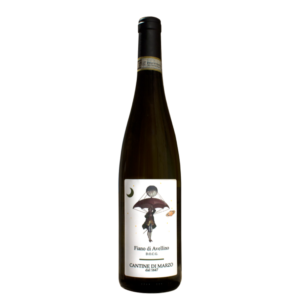
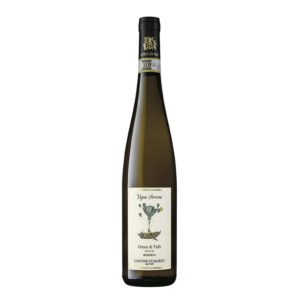
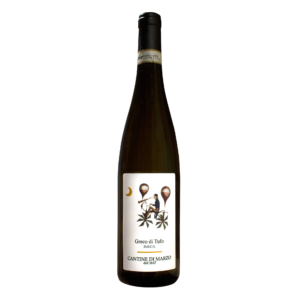
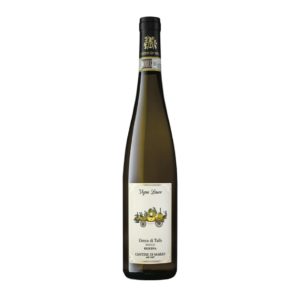
Cantine di Marzo

Wine region: Campania
Area: Tufo (Avellino)
Square: 26 He
Quantity: 130 000 bottles
Owner: Ferrante & M.G. Somma
Agronomist: Vincenzo Mercurio
Enologist:
Wine type: white, red
Grape: Aglianico, Fiano, Greco di Tufo

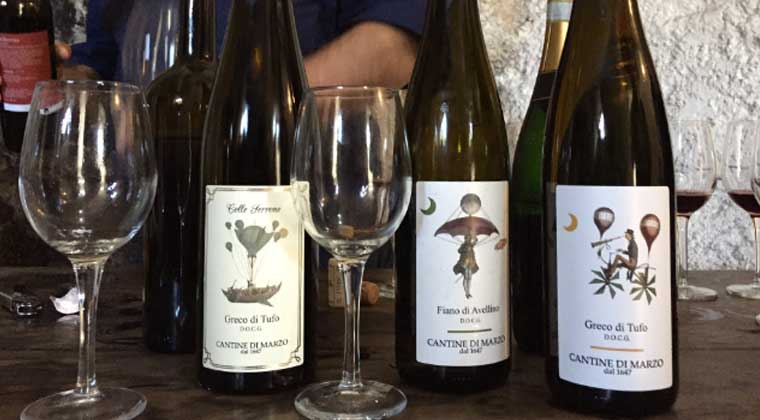
Di Somma family embarked on an ambitious program of development of Cantine di Marzo winery in 2009 with the goal of expressing the four-hundred-year-old tradition of one of Italy’s oldest wineries, the first to have ever produced the Greco di Tufo wine.

The winery is structured over many levels with a drop of more than 20 meters allowing the use of gravity when moving the must and the wine. This prevents drastic movements of the wine in the winemaking process. The winery uses the latest technology and first-class winemakers: Paolo Caciorgna and Emilia Tartaglione for the still wines, and Maurizio Baldi for the sparkling.

The winemaking process is followed very carefully so that the wine may express all the personality given by the territory. Thanks to this historical heritage and to vanguard winemaking techniques, the di Marzo winery is the proud witness of a tradition that dates back to the middle ages.

The main wines currently produced by the winery are Greco di Tufo, Fiano and Taurasi.

To learn more about the winery please visit the winery website.

Wines from this Winery

Browse All Wines From This Winery

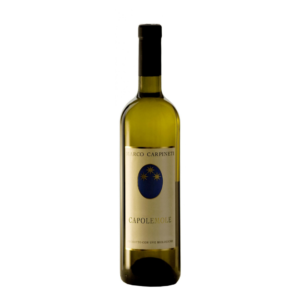
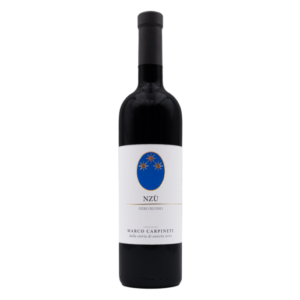
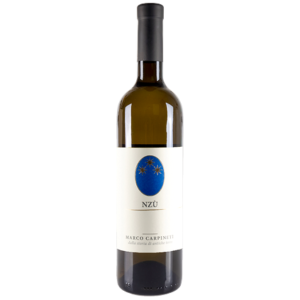
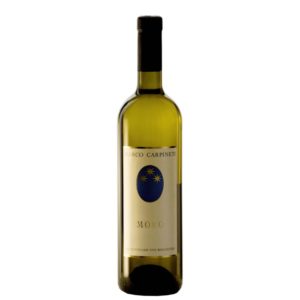
Marco Carpineti

Wine region: Lazio
Area: Cori (Latina)
Square: 52 He
Quantity: 350 000 bottles
Owner: Famiglia Carpineti
Agronomist: Marco Carpineti
Enologist: Emiliano Rossi & Francesco Silvi
Wine type: sparkling, white, red
Grape: Bellone, Cesanese, Montepulciano, Nero Buono Marco Carpineti winery is situated on the slopes of Lepini mountains in Cori, Lazio ancient town dating back to the fourth century B.C., situated 56 km south of Rome, about 400 meters above sea level on an ancient territory.
The estate has belonged to the same family for many generations; since 1986 Marco, driven by genuine passion and desire to live in a healthy environment, takes the reins and makes of it a model company, currently in full booming. The most important change was the adoption in 1994 of the organic agriculture methods, the result of the will to make products healthy. Herbicides, chemical fertilizers and synthetic products are not used in the estate of Marco Carpineti, as assurance for the consumers of wines of absolute quality. To better protect the
environment, in most of the property is not performing tillage, but only the control of weeds with mowing.

The company currently covers about 52.5 hectares, of which 41 are planted with vineyards and 11.5 with olive grove. The bet is pointing out some grape varieties unknown, which only this territory has preserved as a hidden treasure.

White grape varieties cultivated are Bellone, Arciprete White (a Bellone biotype) and two varieties of Greek grapes, called Moro and Yellow, almost disappeared in the territory. Red grape varieties cultivated are Nero Buono di Cori, Montepulciano and Cesanese. Cared by dedicated professionals, vineyards facing south-south-west develop in the following locations, that are Capolemole, Pezze di Ninfa and Valle San Pietro.

The volcanic soil is especially suitable to the cultivation of vines and olive trees and it is rich in fossils, in particular tuff and, in the highest part, limestone. The grapes are transformed through advanced equipment in the new cellar. This has significant space for processing, storage, ageing and maturation of the products, as well as for receiving guests and wine tastings.

To learn more about the winery please visit the winery website.


Wines from this Winery

Browse All Wines From This Winery

Sant’Andrea

Wine region: Lazio
Area: Terracina (Latina)
Square: 100 He
Quantity: 1 000 000 bottles
Owner: Gabriele Pandolfo
Agronomist: Luigi Ramazzotti
Enologist: Gabriele Pandolfo
Wine type: white, red, sweet
Grape: Cesanese, Chardonnay, Malvasia, Merlot, Montepulciano, Moscato di Terracina

The history of Cantine Sant’Andrea started in the Sicilian island where Andrea I Pandolfo was cultivating the small vineyards of Zibibbo grapes.

Then the opportunity arrived for the family to move to Tunisia, and continue to expand the name and the quality of their wines there, until a terrible disease, the phylloxera, arrived in Tunisia and destroyed all the vineyards of the farm. The family continued to make wine in Tunisia with more resistant grapevine cuttings arrived from France, until after all the effort the president of Tunisia forced all the foreigners to leave the country and to move to Italy or France.

After this next challenge, Andrea II started again in a new, small farm: in via Renibbio close to Terracina where the winery is producing the wines now!

Currently, the winery grows wine in three main vineyards: the vineyard in Aprilia that they call ‘the heart of the production of the farm’ cultivating Trebbiano, Malvasia, Merlot, Syrah, and Chardonnay; the historical vineyard in Borgo Vodice, with wine varieties typical for DOC Circeo: Trebbiano, Malvasia, Merlot, Sangiovese, and Syrah, Petit Verdot, Cabernet, Sauvignon, Chardonnay, Montepulciano, Cesanese, Malvasia Puntinata; and the Vineyard in Terracina, 400 metres above sea level, producing Muscat of Terracina, then Cesanese of Terracina, Aleatico and Abbuoto or Cecubo (this last one was already produced by Romans).

Sant’Andrea also has a special kosher wine range.

To learn more about the winery please visit the winery website.


Wines from this Winery

Browse All Wines From This Winery

Podere La Villa

Wine region: Tuscany
Area: San Casciano in Val di Pesa (Firenze)
Square: 7 He
Quantity: 12 000 bottles
Owner: Ilaria Tachis
Agronomist: Alessandro Cellai
Enologist: Alessandro Cellai
Wine type: red
Grape: Merlot, Sangiovese

Podere La Villa is situated in a Tuscan valley where the sometimes lush, sometimes rugged landscape alternately recalls renaissance paintings by masters such as Leonardo da Vinci or Benozzo Gozzoli. The estate has a total of 10 hectares, which include vineyards, olive groves, woods and a small lake. The 7 hectares of vineyards are in the Chianti Classico wine region where Sangiovese (80%) and Merlot (20%) are cultivated.

The story of the winery goes back to 2003 when Giacomo Tachis (the creator od Supertuscan wines Ornellaia, Sassicaia and Tignanello), decided to replant the old 1 1/4 hectare vineyard in front of Podere La Villa with Sangiovese and Merlot grapes. In 2006 the vines began to bear fruit and indicated that the grapes would produce excellent results if they were treated with passion and dedication.

The winery is currently run by Giacomo’s daughter, Ilaria, who makes 2 wines: Chianti Classico il Pargolo (named after her son who was born the year of the first harvest), and Giacomo (Merlot 100%, named in honour of Ilaria’s father, Giacomo Tachis).

To learn more about the winery please visit the winery website.


Wines from this Winery

Browse All Wines From This Winery

Zyme

Wine region: Veneto
Area: San Pietro in Cariano (Verona)
Square: 30 He
Quantity: 100 000 bottles
Owner: Celestino Gaspari
Agronomist: Celestino Gaspari
Enologist: Celestino Gaspari
Wine type: white, red
Grape: Cabernet Franc, Chardonnay, Corvina, Garganega, Incrocio Manzoni, Merlot, Rondinella, Sangiovese, Syrah, Teroldego, Trebbiano, Cabernet Sauvignon, Sauvignon Blanc, Corvinone, Oseleta, Croatina, Marzemino, Kerner, Traminer

In harmony with that philosophy, the winery logo represents a grapevine leaf in which is centred a pentagon, symbol of the five basic elements that combine to yield wine: man-vine-earth-sun-water.

Re-establishing an ideal habitat where man and nature are in perfect symbiosis is, in fact, the point of both departure and arrival of a new humanism of the earth, of which Celestino Gaspari and Zýmē are promoters.
Eco sustainability concerning vineyard management practices, transparency of the final product through an understanding of its production processes, and respect for the rhythms of nature: these are the cardinal principles of Zýmē’s approach to winemaking.

Tradition and innovation are the two complementary tracks on which Zýmē’s wine production moves forward: respect for, and attention to the historic wines of the Valpolicella area go hand in hand with innovation and experimentation with new wines that will enhance and renew the local terroir. Culture, history, tradition, innovation – a glass of wine is so many things, but in Celestino Gaspari’s heart, wine is above all yeast for the mind and yeast that grows a project, Zýmē.

The winery produces the highest quality classical Veneto red wines: Valpolicella, Ripasso and Amarone, and also unique blends of 15 different white and red grapes: KAIROS and HARLEQUIN.

To learn more about the winery please visit the winery website.


Wines from this Winery

Browse All Wines From This Winery

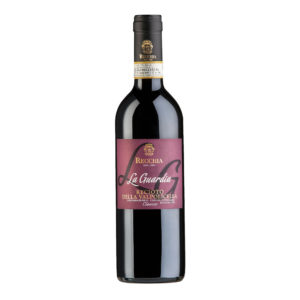
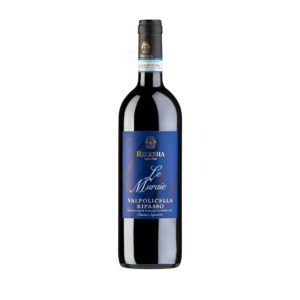
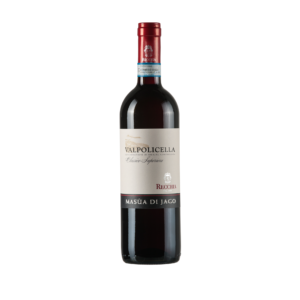
Recchia

Wine region: Veneto
Area: Negrar (Verona)
Square: 108 He
Quantity: 500 000 bottles
Owner: Riccardo e Roberto Recchia
Agronomist: Enrico e Luca Recchia
Enologist: Enrico e Luca Recchia
Wine type: white, red, sweet
Grape: Chardonnay, Corvina, Garganega, Trebbiano, Molinara, Corvinone

For over a hundred years the Recchia family have been master winemakers. For many generations, the family has lived in the heart of Valpolicella in the valley of Negrar.

The latest technology has been incorporated into the traditions to improve the quality of the wine. Advanced technology, retail tasting and global exporting have become a way of life as well as a philosophy for the family for doing business.

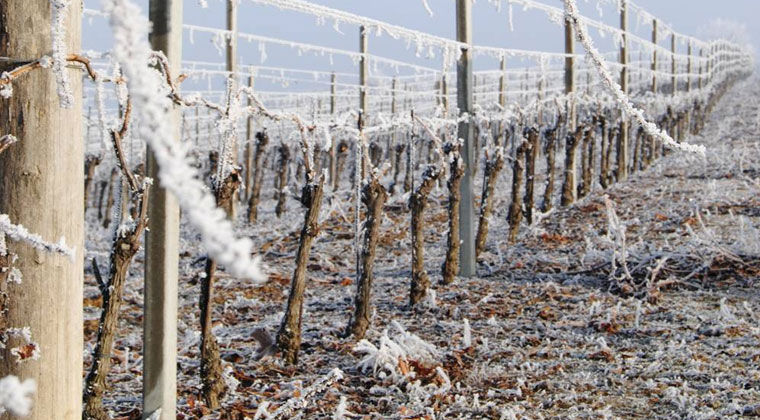
Negrar, Marano, San Pietro in Cariano, Fumane and Sant’Ambrogio di Valpolicella – these are the villages that form the core of the Valpolicella Classico area where the heart of Recchia family lies. Just a few kilometres away from Verona of Catullo and Shakespeare and blessed by the benign influence of Lake Garda, lie rolling hillsides
ribboned with drystone walls that shape up the terraces on which our vines are planted.

The varieties are time-honoured favourites: Corvina, Rondinella and Molinara and together they form the soul of Recchia wines whether Valpolicella Classico and Superiore or the peerless Amarone and Recioto.

To learn more about the winery please visit the winery website.

Wines from this Winery

Browse All Wines From This Winery

Bera

piedmont Wine region: Piedmont
Area: Neviglie (Cuneo)
Square: 30 He
Quantity: 150 000 bottles
Owner: Walter Bera
Agronomist: Walter e Umberto Bera
Enologist: Walter e Umberto Bera
Wine type: sparkling, white, red
Grape: Barbera, Nebbiolo

Bera family winery’s farm is located in the Langhe area between Alba and Asti in the Piedmont wine region. The winemaking tradition goes back centuries but only at the end of the 70s Bera started producing wines to bottle and sell with their own label. Today, the winery is spread over 30 hectares, 23 of which are vineyards.

Bera philosophy is to always maintain utmost respect to the tradition of the territory and to every winemaking process. With a great passion and a great desire to make high-quality wines, all stages are followed with great care, from cultivation and crushing of the grapes to bottling. It is because of this hard work and passion that the winery has received important national and international awards.

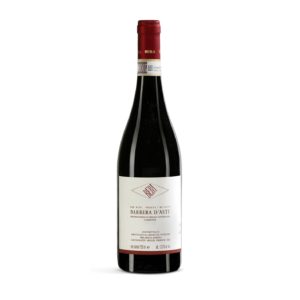
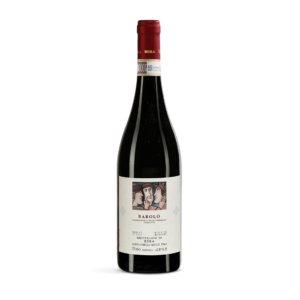
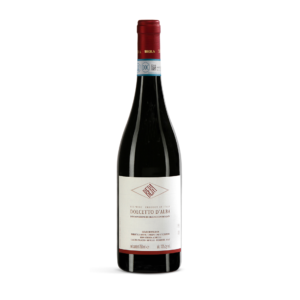
The family makes Moscato d ‘Asti, Dolcetto, Barbera, Nebbiolo, Barbaresco and Barolo. Bera also cultivates Chardonnay and Pinot Nero to create their unique and intriguing Alta Langa Bera Brut metodo classico.

To learn more about the winery please visit the winery website.


Wines from this Winery

Browse All Wines From This Winery