
Your basket
Subtotal
£0.00
×

The 5 types of Italian dessert wines

How is a dessert wine made?

We all know that wine is made through fermentation. Generally speaking, the fermentation will convert all the grape sugars into alcohol. With Dessert wine, the fermentation process is halted before this process is complete. The dessert wine consequently has a rich, sweet flavor. There are several methods of making dessert wines. Here are some methods of making Italian wine that produce dessert wines.

Late harvest

Late harvest grapes are more similar in appearance to raisins. They have been intentionally dehydrated on the vine to concentrate the flavours and sugars until October – November.

Drying

Another way of reducing the water level within a grape is air-drying the grapes on crates once they have been harvested. Once grapes lose 30% of water, the wine process starts.

Noble Rot

There is another method of reducing the water content, and that is to use grapes that are infected with “Noble Rot,” a fungus that removes moisture from the grapes. The difficulty is that the same fungus can also cause “Grey Rot,” which can destroy a crop if the conditions are too damp.

Ice wine

Typically, most regulations forbid grapes to be harvested at temperatures below -7 degrees Celsius. These grapes are frozen while still attached to the vine. The water in the grape freezes but the sugars in the grape do not.

Most popular types of Italian dessert wine

Vin Santo (Holy Wine)

This is a style of dessert wine most associated with Tuscany. It is typically made of white grape varieties such as Trebbiano and Malvasia. The wine is often made by drying the grapes on beds of straw after harvest. This style of wine is not exclusive to Tuscany and can be found throughout Italy.

Vin Santo Poderi del Paradiso

Vi Santo Poderi del Paradiso is made in San Gimignano and is a dessert wine with a caramelized and sticky style.

Recioto

Recioto is a style of wine that is made from dried grapes in Veneto wine region. Grapes that are harvested when very ripe and then left out to dry before fermentation. The result is a very sweet and fresh wine. Recioto wines may also sometimes be infected with Noble Rot. Recioto is one of the oldest wines globally and was the original wine that later was to spawn Amarone.

Recioto La Guardia Recchia

This delicious dessert wine is made by laying the grapes on reed beds until February and then fermented slowly.

Passito

Passito, which means ‘sweet’, is a style of wine that has been made with dried grapes. This drying process concentrates the sugars in the grape by removing some of the water.

Passito di Sagrantino Bocale,

This deep red wine, with a violet tinge, wine is made from the native Sagrantino grapes, and bunches are left out to dry on mats for at least two months.

Passito di Sangiovese Chiorri,

A delicious dessert wine made from the Chorri winery in Umbria. A wine that combines with desserts perfectly. The grapes are left to dry in the sun once hand-picked.

Passito from Sardinia Oirad,

Another Passito, but this time from Sardinia and made with grapes that have high sugar content.

Passito Arrocco Zerbina made with Noble rot

A Passito made with Albana grapes infected with the Noble Rot fungus. A sweet dessert wine.

Visciole (cherry wine).

This tradition of making dessert wine with cherries is centuries old. The process for this wine utilizes a current vintage of grape wine for the base and then sundried cherries and sour cherries. The one has a potent profile of sour cherry.

Visciole Il Duca La Montata

A classical dessert wine made in the Marche wine region. Visciole means “Wild Cherries” in Italian and the wine is made from a combination of cherries and grape. The result is a Ruby Red sweet wine.

Visciole Velenosi

A blend of wine and local sour cherries from the Marche Region that is said to be a perfect companion for blue cheese or chocolate.

Moscato d’Asti

A sparkling sweet wine made from Moscato Bianco grapes, primarily in the Asti region. The wine is low in alcohol and is normally classified as a dessert wine. This is an affordable wine that has been growing in popularity.
Is Red wine good for you?

It’s always nice when science gives us a reason to do something we love, such as enjoying a nice glass of red wine. It stops us thinking we are enjoying a guilty pleasure and provides a justification. In this article, we are taking a look at red wine and health.

As long as not taken in excess, red wine is considered healthy for the heart.  The alcohol, combined with certain other substances in red wine called antioxidants, is thought to be a defense against heart attacks. This is not a scientifically proved statement yet, as research is continuing. However, The Mayo Clinic and the American Heart Association have come out in support of the idea.

Despite this possibility of a connection between drinking red wine and cancer, expressed by the American Institute for Cancer Research, readers should be aware that red wine (in moderation) is preferred by the  Federal guidelines and the American Heart Associationover other forms of alcohol in terms of health. However, they do say they are not endorsing drinking any alcohol for health reasons.

British wine buyers who buy wine online: particularly like Italian wine, such as Chianti, Brunello, Barolo and others, and will be pleased to know that red wine overall Red Wine is near the top of the list as regards health-related issues.

According to experts, the top six alcoholic beverages to drink are:

  1. Tequila
  2. Red Wine
  3. Rum
  4. Whiskey
  5. Rose Wine
  6. Champagne

We have already seen several claims about Red wine from authoritative sources. There are really so many more reasons why red wine should be your choice for a healthier beverage:

  1. Grapes have high levels of polyphenols (antioxidants). These reduce inflammation and reduce oxidative stress. There are more polyphenols in Pinot Noir, Syrah, Nebbiolo, Sagrantino, and Cabernet Sauvignon.
  2. Your immune system will benefit from moderate consumption of red wine.
  3. If you have osteoporosis, then the high level of silicone in red wine will improve your bone mineral density.
  4. Red wine contains resveratrol, which is great for reducing blood clotting by thinning the blood.
  5. Red wine contains tannins, which contain procyanidins – phenols, which neutralize free radicals.
  6. Is high blood pressure a problem? Well, Reservatrol (contained in red wine) also decreases LDL – bad cholesterol and increases HDL – good cholesterol.
  7. Colon cancer, prostate cancer, and breast cancer can result from free radicals (sounds very political). The antioxidants in red wine will combat the free radicals.
  8. Just a single glass of red wine can stop your brain’s neurons from dying.
  9. Do you want to stay young-looking? Researchers at Harvard Medical School have discovered that red wine can play a part in anti-aging because resveratrol in red wine activates a protein that fights the aging process.

All of these factors seem to be pretty good reasons why you should drink more red wine. If you need just one more reason, then: DolceVita Wines club has a special range of wine with a low level of histamines for those who are allergic to histamines.

Dolcevita buys their wines from 40 small family wineries in 20 wine regions of Italy. These wines include the classics and both rare and fine wines.

Final Thought

Of course, your primary reason for drinking these delightful Italian wines is going to be because you appreciate the subtleties of the flavor, and you love wine. Still, it is also good to know that red wine can assist in protecting your health. The most important idea you should take from this article is that it is moderate wine consumption that is good for you. Like many other things we enjoy, taking them to excess can be harmful. So, what is “moderate” in this context?

In the UK, “moderate drinking” is seen as consuming 14 standard drinks per week or less. This would be six pints of beer or seven 150ml glasses of wine.

How to store wine at home

When you buy Italian wine, whether it be Red wine, White Wine, or Sparkling wine, it is important to store your purchase correctly.

When you buy wine online, as soon as you receive it, you should store it in the optimum conditions. When wine is stored correctly it can remain good for decades.

Store Wine at the Proper Temperature

Temperature is the most important factor that affects the quality of the stored wine. By storing it in either too warm or too cold conditions you will spoil the wine.

No wine should ever be stored at below -4C as this could cause the wine to freeze. Nor should it be stored above 20C as this will speed up the aging and destroy elements of the wine. The ideal temperature for storing wines is 13 C, It is also essential that you keep the bottles at a fairly constant temperature and avoid fluctuations.

Store Wine Bottles Horizontally

You should always store wine with corks in the laying down position. This makes sure that the cork is kept moist. It is essential for storing wine for long periods.

If a cork becomes dry it can cause seepage. It can also allow exposure to air which can cause the wine to age prematurely.

If you have wine with a screw top, it is not necessary to store the wine flat, but it does make it easier to store if you do.

Protect Wine from Light and Vibration

Constant vibration can damage wine. It does not allow sediment to settle in red wine. Storing wine in a refrigerator will also expose the wine to vibration from the refrigerator motor. The fridge will also shine a direct light on the wine every time the door opens, as most people tend to lay the wine on the top shelf of the fridge.

Did you know that most wine bottles have UV filters built-into the glass? This is because UV light is harmful to wines. However, this does not provide 100% protection and a wine left in the light will deteriorate.

Store Wine at the Proper Humidity.

Ask any wine expert about humidity and they will tell you that the ideal humidity in which to store wines is 70%, The theory is that the corks in the wine bottles will dry out in low humidity.

To be quite honest, unless you live in the desert it is unlikely to occur to you. If you worry about this, you can place an open container of water inside the storage area, but unless you are laying down bottles for in excess of ten years, then it is not the most pressing concern for wine lovers.

Of course, excessive moisture can cause damage and allow mold to grow on the bottles. As long as the cork is not faulty this will not have any impact on the wine itself but may destroy the appearance of the label.

Store Wine in a Wine Fridge, Not a Regular Fridge.

Most homes do not come complete with a cool, dark, stone cellar where we can set up a wine storage area. So, we need to find a cool, dark environment for our wines. Somewhere that mimics the typical wine cellar.

It could be a cupboard under the stairs that remains within the temperatures I have provided. Just set up a wine rack in there.

If you are really serious about your wines you may consider a purpose-designed wine refrigerator. Typical wine refrigerators in the UK costs between £150 and £250 and store between 12 and 21 bottles of wine in optimum conditions. For slightly more you can get dual-zone models that have two sections which can be set to the optimum temperatures for red and white wines.

Of course, you can pay substantially more if you want solid doors that block out all light or greater capacity.

A wine fridge is designed to be vibration-free and will come with built-in wine racks. A wine refrigerator is a perfect addition to a home bar.

Final Thought

All of the information given in the article is about a sealed bottle of wine. Occasionally a situation occurs where you do not empty a bottle of wine. In this situation, seal the bottle with a “cork stopper” and put it in the fridge. White or Rose wine is probably going to stay drinkable for two or maybe even three days, Red wines should not be put into the fridge and will stay drinkable for a couple of days.

Top Italian red wines to know

Italy has twenty different wine regions stretching from the Swiss border down to the islands of Sicily and Sardinia. The history of Italian winemaking goes back 4,000 years and wine is an essential part of Italian culture.

Italy is the world’s largest wine producer (4,796,900 tonnes). Much of this is red wine. There are over 500 varieties of red Italian wine to choose from, so it would be impossible to talk about them all, but in our opinion the best red wine varieties to try or use as wine gifts are:

Brunello di Montalcino

Brunello di Montalcino is a red DOCG wine that they produce in the vineyards that are found just outside Montalcino, some 80km south of Florence.

The original commercial producer was Biondi-Santi. Their early successful vintages encouraged other growers and by the year 2000, there were 200 vineyard owners offering Brunello di Montalcino. This wine is made from 100% Sangiovese grapes.

There are two classifications of Brunello, Normale and Riserva.

Normale has to be aged for 5 years with at least 24 months in oak casks and then in a bottle for four months.

Riserva must be aged for at least 6 years, two of which should be in oak casks and half a year in the bottle.

Explore our selection of Brunello di Montalcino DOCG from a small family winery Pian delle Querci.

Vino Nobile di Montepulciano

Vino Nobile di Montepulciano is another wine made from the Sangiovese grapes, that is produced in vineyards surrounding Montepulciano. It also carries the DOCG status. This wine is not 100% pure Sangiovese grape (70% minimum), it also contains Canaiolo Nero (10-20%) and small amounts of other grapes.

This wine is known for its darker colour, strong tannins, and higher than average acidity. The wine carries strong aromas and has hints of oregano, tobacco, black fruits and peppers. The flavour is mostly affected by the ageing process.

Normale must be matured for a minimum of 2 years and Riserva for 3 years. One year must be spent in a cask.

Explore our selection of Vino Nobile di Montepulciano from a small family winery Montemercurio.

Barolo

Barolo is a DOCG wine produced in the Piedmont region. It is one of the great wines of Italy, fermented from the Nebbiolo grape.

It is more expensive than some other wines that offer a high tannin content and overtones of Cherry, Rose petal, cinnamon, raspberry sauce, and pepper. When aged it also features the darker liquorice, chocolate, and leather overtones.

Normale must be aged for 38 months of which 18 months must be in a wooden cask. Riserva must be aged for at least 5 years.

Explore our selection of Barolo.

Barbaresco

Also made from 100% Nebbiolo grapes in Piedmont is Barbaresco. Very similar to Barolo, but the Barbaresco is more elegant, less tannic, and does not have such a rich flavour as Barolo.

The reason the Barbaresco wines are less tannic than Barolo is the climate of Barbaresco which is more maritime than Barolo and causes the grapes to ripen earlier. However, there is still enough acidity to make the Barbaresco into a great wine.

Regulations state that the wine must have a minimum alcohol content of 12.5% and that Normale is aged for at least two years (one year of which has to be in wooden barrels). To be designated Riserva the wine must be aged for 50 months and spend 24 months in a wooden barrel.

Explore our selection of Barbaresco.

Ripasso

Coming from the Valpolicella zone of north Verona. It is not so well known as Valpolicella and Amarone, which also come from this region. The name Ripasso means “Repassed”, and refers to the process of adding a blend of local wines to the cask that contains the skins and lees left over from Amarone wine. The result of this process is called Ripasso. This wine is powerful enough to go well with heavier foods such as stews, meats and game. Interestingly, the Ripasso wine is sometimes referred to locally as “Baby Amarones.”

Ripasso must be aged for 12 months in an oak barrel and a further 6 months in the bottle.

Explore our selection of Valpolicella Ripasso.

Amarone

Amarone della Valpolicella (usually just called Amarone) is a wine made from partially dry Corvina grapes (45-95%). Up to 50% of the grapes may be substituted by Corvinone variety of grapes. The result is typically a dry red wine with a rich flavour.

The name Amarone actually means “The Great Bitter”, which distinguishes this wine from the other wine in the same region called Recioto, which has a much sweeter taste.

Amarone is aged in stainless steel tanks for 4 to 6 months, and then is barrels and casks for a further 2 to 6 years.

Explore our selection of Amarone della Valpolicella.


Wine Descriptions And What They Really Mean

There are different types of wine, and each wine is unique in its own way. In this article, we will look at some wine description and what they mean.

  • Acidic/With high acidity

Wines with a huge presence of acidity are very fresh and zesty. The features that white wine possesses is close to lemon or juice. A good check for high acidity is if the wine activates saliva in the mouth.

  • Big

The world big means something that covers everywhere. A wine that is said to be big is a wine that when you pour into your mouth, it covers every part of your mouth. It can also refer to high tannins and intensity of the wine.

  • Buttery

A wine is said to be buttery when it has a cream – like texture and are very smooth. Buttery white wines are often aged in oak to achieve this characteristic.

  • Complex

Complex is a sensation that something is not straightforward cannot be explained and understood easily. When the word complex is used to describe a wine, it means the taste of the wine is changing from the first sip to swallowing the wine and the wine has a variety of smells and flavours.

  • Creamy

Creamy indicates that the mouthfeel of wine is smooth and soft, as if with a bit or cream. Creamy white wines, similar to buttery, are often aged in oak.

  • Crisp

A crisp wine there is a substantial amount of acidity that gives the wine a taste that is similar to fresh-squeezed lemonade with no sugar or fruit flavours. It is usually used to describe white wines.

  • Earthy

It is used to describe a flavour of the wine that is not fruity or flowery, but rather associated with flavours of tobacco, leaves, leather etc. It is usually used to describe red wines. Some grapes naturally have earthy flavours, in other cases red wine can acquire it with ageing in oak.

  • Elegant

Elegant Wines are wines that are not Big, or very Tannic, or very Fruity. They can come across as discrete first, but then allow to discover them more, and you begin to like them when you taste them again and again.

  • Jammy

A Jammy wine indicates a wine full of cooked berry sweetness and smoothness. Wines like Primitivo, Ripasso, Amarone are often described as Jammy.

  • Mineral

Mineral wines are similar to elegant wines. They are lean, pure and acid and also have a taste of licking wet stones and often a chalky texture.

  • Oaked

A white wine is said to be Oaked when one feels vanilla, butter, and in some cases coconut on the nose and mouth. In the case of red wines, it adds baking spices, vanilla and in some cases dill.

  • Silky

Silky indicates how the wine is felt in the mouth. Silky is the softest of wine textures. It is often used to describe wines that are light with a soft grain texture.

  • Structured

A wine is referred to as structured when it is more on a complex rather than easy side. For red wines it usually means a presence of big tannins. For white wines it means the wine is not very light but rather has some creaminess or is oaky.

  • Velvety

A wine that is rich, smooth, and soft is called velvety wine.

What Makes A Wine Vegan?

Given that wine is a product of grapes and yeast, some may assume that all wines are appropriate for vegans. However, that is not always the case.

A wine can be called vegan when it is made without any contact with or addition of a product of animal origin.

Fining stage

Animal products or ‘agents’ can be used in the process of wine production at the ‘fining stage’.

Fining stage comes after filtration stage. Fining is necessary if the wine manufacturer observes some soluble substances and wants them removed. The process of fining removes soluble substances, phenols, and proteins by converting them into larger molecules that can be filtered out of the wine.

Another reason can be to remove hard tannins by making them sink to the bottom of the barrel when getting in contact with the molecules of the agents.

Non – vegan agents include egg whites, casein, gelatin, and chitosan.

Vegan – friendly agents

To make Vegan wine alternative agents for the same processes are used. These include carbon, bentonite clay, limestone, kaolin clay, plant casein, silica gel, and vegetable plaques. All of these are Vegan.

Where to find Vegan wines?

Vegan wines are becoming more popular and more options get available from Italian wine producers. Explore our Italian vegan wine selection following this link.


Easy Rules for Great Food and Wine Pairing

The importance of great food and wine pairing cannot be overemphasized for those who want tohave memorable moments during their next BBQ. When it comes to successful food and wine matching, you can never go wrong when you use your initiative and follow your instinct.

Everything about food and wine pairing needs balance. The key to any successful wine pairing with food is balancing the body with alcohol and flavours.

We have listed some helpful tips for you on the best food and wine pairing in this article. This will help you avoid the costly mistakes associated with this process and give you the necessary experience you need to match food and wine perfectly.

Follow our tips below for matching food and wine that would thrill your guests.

  1. Keep food and wine at a similar weight/Look for balance

Balance is essential everywhere. And while we are talking about matching food and wine, balance is what we should keep in mind. But what kind of balance? Balance in terms of pairing lighter style wines with lighter food and vice versa. Light meals refer to those which are essentially lower in calories. The structure and complexity of the dish must match the structure and complexity of the wine.

A glass of white wine coupled with light foods such as rice, black bean, salad, sweet potato, and chicken works superbly in all respects. Red wine may also work if they’re low in tannins. They will definitely be a treat for your taste buds.

Fatty meats that are on the heavier end need to be combined with heavier and intense wines like Shiraz or Sauternes.

  1. Complex wines gels with complex foods

 For an exquisite experience of tasting yourfavouritecomplex wine, try gelling it up with complex wines. Complex wines go with complex foods. The same way simple wines go with simple foods.

When you’re pairing wine with food, do not forget about foods that actually would mask the taste of your wine rather than enhance itsflavour. These foods include Olive, Vinegar, Yogurt, and asparagus, to name a few.

  1. Oily food and acidity in wine

 There’s no other way to this but, acidity in wine intensifies each & every bit of the fatty food that you’re too excited about. The whole reason why white wine butter sauce is so famous is this. It makes the overall experience delightful.

 Fatty food needsacidic wines in order to hide its sloppiness. Wine with high alcohol content works equally for such foods.

 Acidic wine also balances the salt in the foods. To add on, fats balance the bitterness in food.

  1. Tannic wines and fatty food go well together

 Tannins are supposed to make your mouth dry. So what’s better than pairing tannic wines with rich fatty foods?

 Opposites attract, and this applies here better than nowhere. Tannic wines and fatty foods are so different from each other, yet make an amazing combination.

  1. Does spicy food require wines?

 This is one question that cannot be answered directly. The answer is based on one country and region to another. For example, in the United Kingdom, a lot of people take spicy food with wines, and they are okay with it, while in some countries, especially in Asia, they do not like to take spicy food with wines.

 But if you’re a fan of wine and can’t let go of it even with spicy foods, then we’d suggest you go with fruity and low- alcohol content wine such asRiesling and Gewurztraminer.There is no proven harm to it.

  1. Desserts and wines to choose

 Who doesn’t love desserts? And while we’re on it, who doesn’t love a perfect amalgamation of sweet and wine? My mouth is already watering.

Well, desserts redefine the whole dining experience, and having it with wine takes it to a whole new level. 

  1. Follow the sauce

 It’s a well-known practice to use a similar sort of wine as the sauce that is in your food. Use your pairing techniques and balance out the taste of the wine and the sauce.

 Extremely buttery or creamy sauces taste fantastic with intense and rich wine. Try out the Italian sparkling wines with cheesy pasta sauce or lasagna and relish the taste of heaven.

 What to avoid

 It would be best if you maximally tried to avoid clashes of bitterness, for example,

  • Dark chocolate and tannic wines like Barolo
  • Spicy food and tannic wines
  • Wine covering the dish or dish covering the wine – Food like asparagus mask the taste of the wine.
  • Cigarettes and cigars should never be paired with wine. It will kill the flavour of the wine, to say the least

Conclusion

Having given you the must-know tips, we would tell you to figure out what suits you and your taste. After all, your likes and dislikes matter the most when you’re matching your food and wine.

10 Best Italian White Wines to Know

Many Italian white wines are much less known than the Italian reds like Chianti, Brunello, Barolo, and Amarone.

In this article we will explore some of the famous and less known Italian white wines.

First of all, how is White Wine Made?

The grapes are harvested and then pressed. Yeast is added to pressed grape juice to start the fermentation process. Once fermentation is finished, fermented juice is left to mature until it becomes wine.

White wine can mature in stainless steel or in oak, steel being more typical to keep the fruity and floral aromas.

Best Italian White Wines

North Italy Famous and Well-known White Wines

  • Pinot Grigio (Veneto)

Pinot Grigio is the one Italian white wine that probably everyone knows! It is dry with a moderately high acidity.

Pinot Grigio comes from the wine regions of Alto Adige, Trentino, Friuli, Veneto, and Lombardy. Typically, very fruity, fresh and easy to drink, it can vary a lot in style depending on the area in comes from.

Can be nicely matched with chicken noodle salad or sushi.

  • Gavi (Piedmont)

Gavi is an Italian dry white wine made from Cortese grape in Piedmont wine region.

It has a balanced acidity and beautiful elegance, making it an ideal addition to vegetable antipasti and seafood.

You can also pair this wine with seafood dishes and pasta served with butter and pesto or sage sauce.

 North Italy Less Known Italian White Wines

  • Arneis (Piedmont)

Arneis is a grape and a highly-recognised Italian white wine originating from Roero – a Piedmont sub-region. It is one of the less-known Italian white wines from North Italy however once discovered usually stays one of the favourites.

Arneis is a delicate and elegant wine and goes well with light white fish (like seabass or cod), waldorf salad, calamari, spaghetti vongole.

  • Soave (Veneto)

The origin of Soave is Veneto wine region, in North of Italy, with Soave Classico being the most prestigious area for the vineyards.

Soave is made of Garganega grape and is described as rugged but sophisticated. It has notes of thyme, nutmeg, minerals, stones, baked pear, green apple, and chamomile.

The food matching for Soave includes roast chicken, dover sole, fettuccine Alfredo, and veal scaloppini.

 Central Italy

  • Vermentino (Tuscany)

Vermentino can be described as an elegant and smooth Tuscan white wine. The interesting fact is that Vermentino grapes are also grown in Liguria and Sardinia wine regions and the style of Vermentino from Liguria and Sardinia is very different to the Tuscan one.

Vermentino goes very well with soft cheeses, seafood, and vegetable pasta dishes.

  • Vernaccia (Tuscany)

Vernaccia is an Italian white wine made from Vernaccia grape in San Gimignano area of Tuscany. It is one of less know Italian whites, especially for Tuscany wine region dominated by famous reds like Chianti and Brunello.

Vernaccia is typically golden yellow colour with floral aromas.

It goes well with rice salads, pasta, white meats, and ribollita of Tuscan food. You can also enjoy Vernaccia with soft cheeses, vegetables, and fish-based recipes.

  • Grechetto (Umbria)

Grechetto is widely grown in the Umbria region of Italy.

This dry white wine has aromas of yellow and white flowers, as well as sweet fruit, is persistent and lively with good acidity.

Grechetto goes well with sweet almond cookies, dry parmesan crusted scallops and pumpkin-filled pasta.

  • Verdicchio (Marche)

Verdicchio is the name of the grape and of an Italian wine. Verdicchio is extensively grown in Lazio, Umbria, and Marche regions of Italy. This wine got its name from the word ‘Verde’ meaning ‘Green’ – due to its typical greenish colour.

This wine offers different tasting notes of green papaya, fresh grass, kiwi, lime zest, coriander.

The food matching is anything fried, pulled pork, spicy & hot foods, and Asian food.

 South Italy

  • Greco di Tufo (Campania)

Greco di Tufo is a type of Italian white grape originated from Tufo town of Italy.

The wine shows a gold or dark lemon colour and reflects notes of dried apricot and white blossom on the nose.

As far as taste is concerned, Greco di Tufo is sharp, bone dry, and brusque even at the first sip of it.

Food matching suggestions for Greco di Tufo include grilled fish with olive oil & lemon, buffalo mozzarella & tomatoes, and fried calamari.

  • Fiano (Campania)

Fiano is a grape grown in several wine regions in South Italy, including Campania.

Fiano is typically fruity on the nose and soft, rounded and pleasantly fresh on the palate.

Food combinations for Fiano are falafels & tabbouleh, baked chicken & pesto, and poached fish fillet & salsa verde.

  • Falanghina (Campania)

Falanghina is a white grape grown in several wine regions in South Italy, including Campania.

Falanghina features a beautiful and attractive pale colour combined with a bouquet of evocative flowers, almonds, and melon.

Best food pairings for this popular Southern Italy wine include salami with cold meats, sushi, fish tartare, oysters, mussels and fresh cheese.

Sicily

  • Etna Bianco

Etna Bianco is produced from the white grapes Carricante that can be sometimes blended with Catarratto. As the name suggests, the grapes are grown on Mount Etna, and have characteristic minerality due to the volcanic soil of the terroir.

Etna wines have recently become more recognised and valued outside of Italy due to the complexity and elegance of the wine. The grapes are often grown at very high altitudes and come from very old vineyards.

Etna Bianco goes well with hard cheeses, cured olives, caponata, grilled chicken & herbs, and tuna carpaccio.


There are a lot more Italian white wines to tell about but we will stop here for now to allow you to explore the above list of wines first!

What are Low Histamine Wines?

Wine is one of the most popular drinks throughout the world because it is incredibly versatile and there are many different options to choose from. Most people are aware of the typical choices for wine. There are red wines such as Cabernet, Pinot Noir, and Grenache, there are white wines such as Moscato, Pinot Grigio, and Chardonnay, and then there are Rose wines and sparkling wines. The type of wines that most people are unaware of are low histamine wines.

What are Low Histamines wines?

Low histamine wines are wines that contain lower levels of histamine and are perfect for people with histamine allergies. Before we dive into low histamine wines and where to find them, let’s discuss what histamine allergies are and why this matters when it comes to wine.

What are symptoms of histamine allergy?

There are many foods that have high amounts of histamines in them. Foods that have been aged or fermented such as cheese, meats, wines, beer, and some veggies will have high histamine levels. The most common food allergies are gluten and lactose, but there are a lot of people who are allergic to histamines. This allergy is referred to as histamine intolerance (HIT). People with HIT are not able to process the histamine in their body and it causes them to have an allergic reaction. The symptoms of HIT include gut issues such as IBS, stomach aches, nausea, vomiting, and other general digestive issues. Other symptoms include skin irritations, respiratory issues such as sneezing and coughing, headaches, and dizziness. For people who have HIT, enjoying a glass of wine after a long day is anything but relaxing.

How many histamines are in wine?
Red wines typically contain higher levels of histamines than whites wines, but white wines are still not histamine free. Red wines can have anywhere from 60-3,800 mg of histamine in the wine. White wines have about 3-120mg and Champagnes have anywhere from 15-670mg of histamine.

So what exactly are histamines?

Histamines are a compound of amines. Amines are compounds of amino acids that form together to make proteins. In foods where protein degradation takes place in the production of the food (cheese, fermented veggies, alcohol) there will be amines. The other common types of amines besides histamine are tryptamine, putrescine, tyramine, isoamylamine, and phenylethylamine. Wine will naturally have histamines in it because it is a fermented beverage, but the production process of wine can also effect the histamine levels found in the wine. New research has shown that the type of bacteria used in the fermentation process can effect the histamine levels. Wineries have been experimenting with different types of bacteria to try to create low histamine wines. Another factor that can effect the levels of histamines in wine is the grapes used to make the wine. Dolcetto grapes have been found to have naturally lower levels of histamines that other types of grapes. Also, if the grapes are not good, quality grapes this could effect the fermentation process and cause there to be more histamine in the wine.

Low Histamine wines from Italy

An Italian wine consultant Sebastiano Ramello started a project to create low histamine wines so that his HIT mother could enjoy wine again. Ramello found wines from Italian region of Piedmont that were produced by Veglio Michelino & Figlio that had less than 1.5mg/litre of histamine in the wine. This was remarkable because most wines have at least 4-20mg/litre of histamine present in the wine. Working with this vineyard, Ramello was able develop wines that contain less than 0.5mg/litre of histamine. These wines are developed officially certified and are certified low histamine wines.

So where can you find low histamine wine?

DolceVita Wine Club is an online Italian wine club that offers a select variety of wines from small Italian wineries. The wines featured on their website are unique and not found on other wine websites. DolceVita Wine Club is the only online retailer in the UK that sells the Veglio Michelino low histamine wine. People who live in the UK and suffer from HIT now have the opportunity to enjoy wine again. DV Wine Club offers both red and white low histamine wines. The best part about these low histamine wines is that they are priced the same as the other quality wines featured on their website. Often allergy sensitive foods have a higher price tag, but DV is making low histamine wine accessible for everyone in the UK. You can find the low histamine wines on the DV wine club website following this link.

Dama del Rovere

Wine region: Veneto
Area: Monteforte d’Alpone (Verona)
Square: 14 He
Quantity: 50 000 bottles
Owner: Massimo Pra
Agronomist: Massimo Pra
Enologist: Massimo Pra
Wine type: sparkling, white
Grape: Garganega, Durella

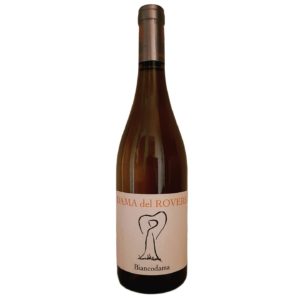
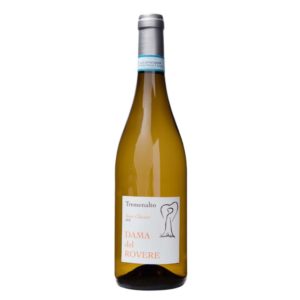
Dama del Rovere was born with 2003-vintage in Brognoligo di Monteforte d’Alpone, a historical Soave Classico zone in the province of Verona. The winery name comes from a small statue of the Madonna that was found in an oak-tree in Tremenalto area where the Soave vineyards are located.

The winery is family-owned, with brothers Massimo (the winemaker), and Davide, supported by their father and grandfather’s experience. The winery works with 2 grapes: Garganega – to make classical and elegant dry white wine Soave; and a rare local grape Durella – for sparkling wines.

Garganega vineyards lie nearby the village of Soave in Tremenalto area. The North-east exposure of the vineyards together with fertile volcanic soil allows to make complex and peculiar wines: full-bodied, sapid with a pleasant trace of almonds at the end; the bouquet full of fine and strong fragrances. All works in the vineyard are carried out by hand, with the utmost care about the vines an the territory.

Durello sparkling wines are produced exclusively from the ‘Durella’ grapes, native to Brenton, on Monti Lessini zone, at an altitude of up to 500 meters above the sea level.

For more information about Dama del Rovere please visit the winery website.

Wines from this Winery

Browse All Wines From This Winery